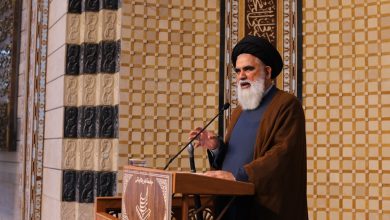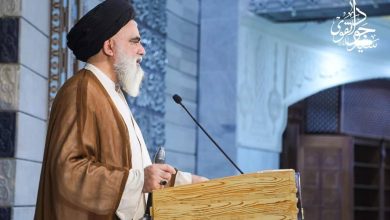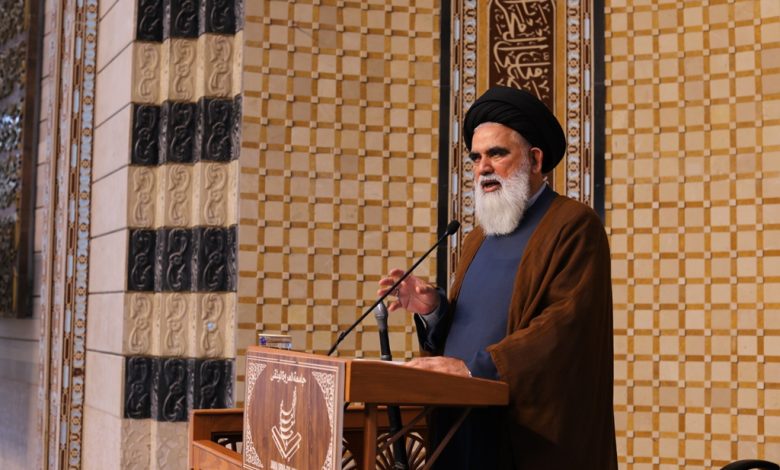
Hujjatul Islam Ustad Syed Jawad Naqvi
(Principal Jamia Orwatul Wuthqa – Lahore)
Delivered at: Masjid Baitul ul Ateeq
Lahore – Pakistan
Friday Sermon 11th July – 2025
Sermon 1: Identity the Truthful ones (Saadiqeen) from Quran
Sermon 2: Our duty in current Karbala – Not to count scores of martyrs and wait for threat on Rahbar to be fulfilled
1. Human Society: A Shared Responsibility
Man’s life is inherently social—just like the organs of a human body that cannot function in isolation, human society too cannot thrive without interdependence. Both intellectuals and religious traditions affirm this. When any segment of society becomes corrupt or deficient, the entire system deteriorates—like a paralyzed limb affecting the whole body.
To build a healthy social order, the Qur’an has introduced various social principles. One of the most fundamental among them is “Ma‘aiyat”—the principle of being with or living together with others in alignment with truth and righteousness.
2. Quranic Command: Be With the Truthful (Saadiqeen)
In Surah al-Tawbah, verse 119, the Quran states:
يَا أَيُّهَا الَّذِينَ آمَنُوا اتَّقُوا اللَّهَ وَكُونُوا مَعَ الصَّادِقِينَ
“O you who believe! Be conscious of Allah and be with the truthful.”
This command emphasizes that our life choices and associations should not be based on personal preference, convenience, or interest, but rather on alignment with the truthful ones (Saadiqeen). We must avoid aligning ourselves with corrupt or dishonest individuals.
The background of this verse involves individuals who avoided going to battle. They were advised to align themselves with the truthful to correct their course. Today, instead of being with the righteous, people often choose to live and align based on personal gains.
3. Identifying the Truthful Ones (Saadiqeen)
The Quran, along with authentic traditions from the Ahlulbayt (a), identifies the truthful ones. The Ahlulbayt are undoubtedly the best examples, but not the only ones. The title of Saadiqeen can apply to different individuals in different generations. Just as hypocrites existed in the Prophet’s time and continue today, the truthful also exist across eras—and we must actively seek them in our time.
A Saadiq is someone who:
• Acts in accordance with their words
• Believes in what they say
• Aligns with reality
A Kazib (liar), on the other hand:
• Says things they don’t believe in
• Acts against truth and reality
If a society surrounds itself with liars—as we often see today—truth becomes nearly impossible to uphold. For example, in Pakistan, defective goods are sold under false praise. Used European compressors are resold as new components in appliances. Even the educational system, particularly commercial schooling, is built on deception—producing parrots and actors rather than thinkers.
4. Quranic Traits of the Truthful: Surah Baqarah (2:177)
In Surah al-Baqarah, verse 177, the Quran outlines what true righteousness (Birr) is—not merely performing rituals or facing East or West during worship, but embodying:
• Faith in Allah, the Last Day, Angels, the Book, and the Prophets
• Generosity to orphans, needy relatives, travelers, captives
• Establishing prayer and paying zakat
• Honoring commitments
• Patience in adversity and conflict
“…These are the ones who are truthful and the ones who guard against evil.”
True Birr isn’t about self-defined religious acts, especially common in Muharram where culturally invented rituals are performed. Even the Jews of the Prophet’s time fabricated practices and labeled them as righteousness. True Birr lies in faith, action, commitment, and social responsibility.
5. Real-World Tests of Truthfulness
A famous tradition from Imam Sadiq (a) warns not to be deceived by outward appearances of goodness. Instead, evaluate people by their trustworthiness and desire for power—if they lust for control, stay away.
Even among the Prophet’s companions, a man who had just been buried was assumed to be destined for Paradise, but the Prophet clarified that his poor ethics with family might prevent such a fate.
Mere information does not equate to faith. True faith is trust—making Allah the foundation of all life’s affairs. The verse first instructs belief, then lists righteous deeds and qualities like patience and perseverance. Especially in times of war or difficulty, the truthful remain firm while others flee to infidels. Identify these resilient ones and align with them.
6. Contemporary Application: Who Are the Saadiqeen Today?
The verse on being with the Saadiqeen was revealed in the context of war, directed at those who avoided battle and later repented. Their solution was to live among the truthful to regain righteousness.
Today, this principle applies just as urgently. Look at the oppression against Palestinians—many support them only according to personal standards, not Quranic guidance. We must build our social Taqwa by living with the truthful. If we abandon them, the Quran also makes it clear what consequences await.
If we support political parties or individuals who thrive on lies and hypocrisy, we are aligning ourselves away from truth. The Quran repeatedly outlines the traits of Saadiqeen so we can identify them in every era.
SERMON 2
1. Loss of Humanity Without Taqwa
When man abandons Taqwa (God-consciousness), he loses his humanity. The Qur’an commands us to be with the truthful ones (Saadiqeen). Today, we observe three types of people around us:
1. Tyrants who are merciless and beastly.
2. Hypocrites who claim to support the oppressed but secretly align with the tyrants.
3. Truthful and patient ones, who endure afflictions and stand firmly with the oppressed.
The Quran’s guidance is clear: we must stand with the truthful ones—even though doing so will subject us to trials and afflictions as well. Hypocrites often declare solidarity with the oppressed but ultimately support the oppressors, both overtly and covertly.
2. Quranic Exposure of Hypocrisy: Surah Ankabut
The Qur’an unveils this hypocrisy in Surah al-‘Ankabut (29:10–12):
وَمِنَ النَّاسِ مَنْ يَقُولُ آمَنَّا بِاللَّهِ فَإِذَا أُوذِيَ فِي اللَّهِ جَعَلَ فِتْنَةَ النَّاسِ كَعَذَابِ اللَّهِ وَلَئِنْ جَاءَ نَصْرٌ مِنْ رَبِّكَ لَيَقُولُنَّ إِنَّا كُنَّا مَعَكُمْ ۚ أَوَلَيْسَ اللَّهُ بِأَعْلَمَ بِمَا فِي صُدُورِ الْعَالَمِينَ {10}
And among men is he who says: We believe in Allah; but when he is persecuted in (the way of) Allah he thinks the persecution of men to be as the chastisement of Allah; and if there come assistance from your Lord, they would most certainly say: Surely we were with you. What! is not Allah the best knower of what is in the breasts of mankind.
وَلَيَعْلَمَنَّ اللَّهُ الَّذِينَ آمَنُوا وَلَيَعْلَمَنَّ الْمُنَافِقِينَ {11}
And most certainly Allah will know those who believe and most certainly He will know the hypocrites.
وَقَالَ الَّذِينَ كَفَرُوا لِلَّذِينَ آمَنُوا اتَّبِعُوا سَبِيلَنَا وَلْنَحْمِلْ خَطَايَاكُمْ وَمَا هُمْ بِحَامِلِينَ مِنْ خَطَايَاهُمْ مِنْ شَيْءٍ ۖ إِنَّهُمْ لَكَاذِبُونَ {12}
And those who disbelieve say to those who believe: Follow our path and we will bear your wrongs. And never shall they be the bearers of any of their wrongs; most surely they are liars.
Today, many Muslims (among the two billion) cave under pressure, interpreting societal hardship as divine wrath. But when success arrives, they rush to claim allegiance. The Quran warns: Allah will expose hypocrites from true believers.
Disbelievers may offer support in exchange for following their path—but they will never bear your burdens. The Quran calls them liars. Today’s promises by Zionists or Americans are empty, historically proven to be unreliable.
3. The Three Camps of Our Time
We can clearly identify three camps today:
• Zionists and Americans – the outright tyrants.
• Silent Muslims – passive or complicit in oppression.
• Truthful ones – the people of Gaza, standing firm despite extreme suffering.
Some scholars on social media falsely label their hardship as divine wrath. But these Palestinians are resisting with truth. In contrast, Arab leaders welcomed Trump because he promised relief. But the Qur’an has already warned us: no disbeliever will truly help you.
Has America ever helped Pakistan in any of its wars? Ironically, only Israel and Pakistan have officially nominated Trump for the Nobel Peace Prize. What kind of alignment does that imply?
4. The Trap of the Abraham Accords
The Quran speaks about disbelievers who say, “We’ll take on your burdens if you follow us,” but they lie. Today, Pakistan is being approached similarly. Israel claims an unexpected country will accept the Abraham Accords—and it’s not UAE or Saudi Arabia, but Pakistan.
To set the stage, government-linked clerics (so-called “courtyard mullahs”) have begun propaganda. They divide into two categories:
1. Those officially employed by government panels.
2. Those who act as government spokespersons.
Both have begun promoting the narrative that Iran is the biggest threat to Pakistan, claiming it has destroyed other countries like Palestine, Iraq, Lebanon, and Afghanistan—and now poses a threat to Pakistan. Their intent is to create public consent for normalizing ties with Israel in return for supposed relief from hardship.
5. The Role of the People and the Betrayal of Conscience
What is most concerning is the silence of the people. The lovers of Prophet Muhammad (S), his companions, and Imam Hussain (a) remain unmoved even as hundreds of Palestinian children are killed daily.
Iran is standing alone. Even if one more country supported them, it would make a difference. But instead, IMF’s chains and fear of sanctions have silenced governments and clerics alike. These materialistic leaders and scholars can sell anything—but the common people still have a decision to make.
6. The Voice of Humanity from the West
Recently, a British singer, at a massive concert, shouted “Death to IDF”. He wasn’t a believer, but his Fitrah (innate conscience) was alive. Despite bans and backlash from the UK and US, he raised his voice.
In the UK, several organizations are working to prevent their government from being complicit in Israeli crimes. They act on human values while Muslims remain spectators, just “counting martyrs” and awaiting political events like threats to Iranian leadership.
7. Martyrdom, Leadership, and Global Resistance
Even if Iran’s Leader is martyred—he is prepared. He personally commanded the last 12-day war. His life is no more sacred than that of Imam Hussain (a).
This is not the time to wait. We must ensure that every Zionist and American feels that if they escalate the conflict, it will reach their streets and alleys. They should know that no place will be safe for them.
The battlefield must spread across the globe. We should not be like the people of Kufa, who deserted Imam Hussain (a) and joined tyrants. Nor should we delay like the people of Basra, who acted too late.
8. Karbala of Today: Our Role and Responsibility
We must realize that this is the Karbala of today. Everyone has a role to play. America is trading false promises to buy the loyalty of Muslim nations. But saying “Labbayk Ya Hussain” requires more than words—it demands action, presence, and sacrifice.
We must defend our Leader, stand with the oppressed, and fulfill our duties—not tomorrow, but now.